

The Italian word ‘antipasto’ (plural antipasti) can be translated to ‘before the meal’ and refers to a platter of food traditionally served – you guessed it – before meals in Italy. Usually accompanied by wine, this pre-meal platter is comparable to French hors d’oeuvres and Spanish tapas in that it is an appetiser designed to stimulate the appetite prior to the main course. But what goes on an Italian antipasto platter?
While there are a few traditional characteristics of the food served as part of an antipasto platter, there’s no reason why you can’t add your own twist. As owners of many authentic Italian restaurants in Milton Keynes, we’ve put together this article not only to explain what an antipasto platter is but also to help you gain an understanding of what is typically put on one, as well as some ideas for putting your own unique flair on this cultural dish.
Delicious Italian Antipasto Platter Ideas
At our authentic restaurant in Newport Pagnell and surrounding areas, we love sharing the flavours and traditions behind a classic Italian Antipasto Platter.
Traditionally featuring cured meats, cheeses, olives, artichokes and bread, antipasto platters are designed to be shared before the main course, combining smoky, salty and tangy flavours to awaken the palate.
Whether you prefer a classic meat-filled platter or want to try vegetarian or seafood variations, there are endless ways to make it your own.
While our antipasto platter is fairly traditional, there is no reason why you can’t add non-traditional elements to a homemade antipasto platter. If you would like to try your hand at making one but aren’t sure where to start, read on for our suggestions for antipasto arrangements designed to suit various dietary preferences, from meaty-heavy platters to fully vegan ones!
- What Is An Antipasto Platter?
- What Goes On An Antipasto Platter?
- Italian Antipasto Platter Ideas
- How To Arrange An Antipasto Platter
Ready For More Tastebud-Tantalising Tips?
Sign up for our newsletter here!
What Is An Antipasto Platter?
So, we’ve established that an antipasto platter is a selection of foods traditionally served prior to the main course in Italy. But what goes on an antipasto platter? The variety of foods served as part of this Italian appetiser tends to include meats, seafood, cheeses, breads and fruits. The foods included in these arrangements tend to share a few characteristics: typically, they are served cold, divided into small pieces that are easy to eat with the hands, and have a strong flavour that will stimulate the senses. Antipasti are traditionally beautifully and delicately arranged, either on one central serving platter or on a series of smaller plates.
What Goes On An Antipasto Platter?
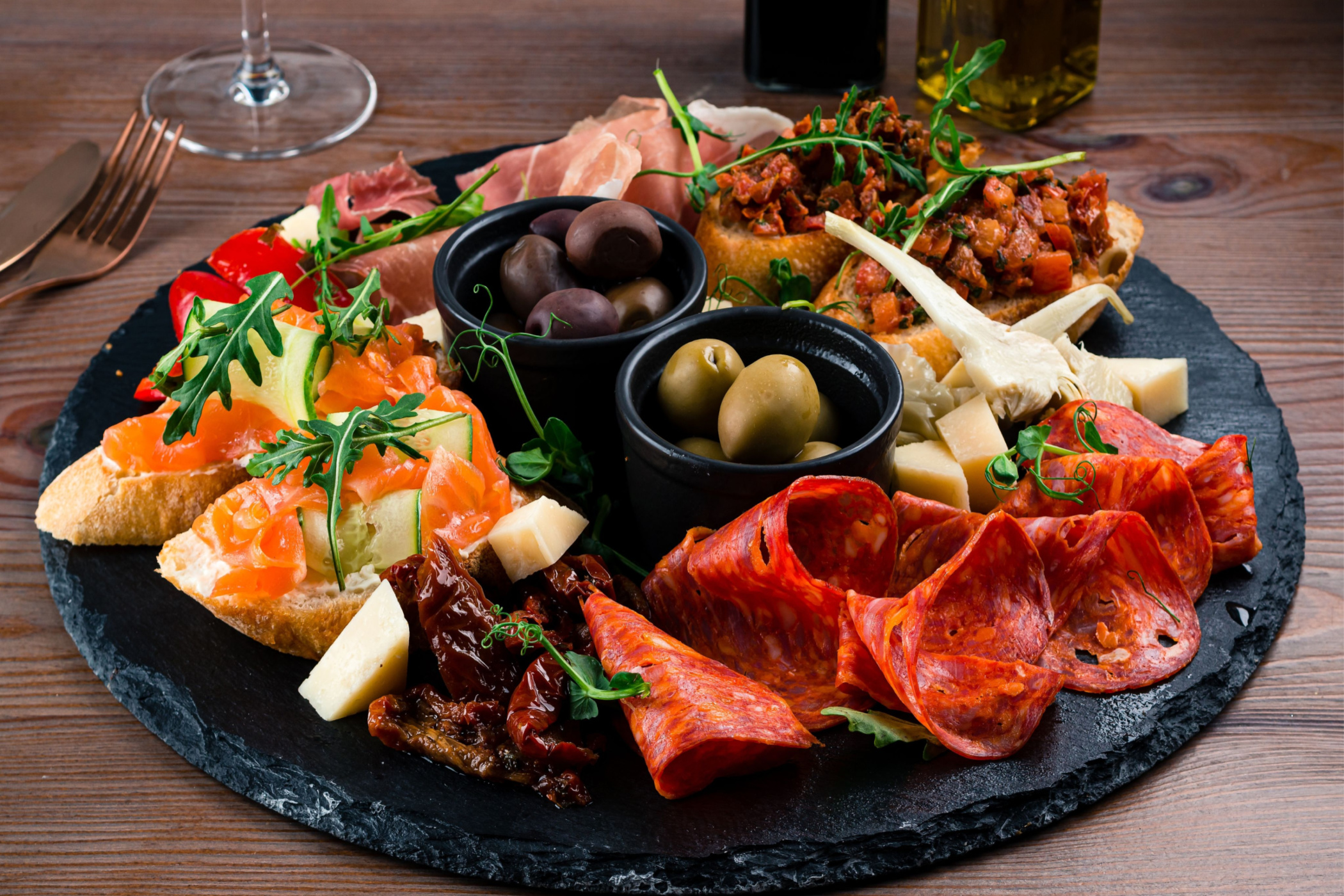
As mentioned above, antipasti typically include a variety of different foods. While you can put anything you like on an antipasto platter, the traditional components include sliced cured meats, fruits such as grapes and olives, crunchy and soft breads, and a variety of soft and hard Italian cheeses. Antipasti platters should be well balanced in colour, texture, flavour and nutrition: not only do they look and taste amazing, but they provide a variety of nutrients for a satiating yet moreish appetiser that prepares the palate for the main courses. Try to keep this in mind when preparing your antipasto platter!
Italian Antipasto Platter Ideas
Now that we’ve established what an antipasto platter is, as well as what goes on one, we thought we’d provide you with a few ideas for when it comes to actually putting one together. What you put on your antipasto platter will depend on the dietary requirements of you and your guests, so we’ve devised a guide to creating platters that cater to meat-lovers, vegetarians, and vegans alike.
Vegetarian Antipasto Platter
If you or any of your dinner party guests are vegetarian, you can still create a delicious antipasto platter without meat. You can choose to stick to the traditional antipasto components and simply exclude the meat, or you can substitute it in a number of ways. Here are our favourite vegetarian antipasto platter ideas to provide you with some inspiration:
Meat Substitutes
In order to keep to traditional antipasto components, why not simply swap cured meats for vegetarian substitutes? This way, you can enjoy all the same smoky, salty flavours without the meat. Whether you choose to try your hand at making your own vegetarian and vegan-friendly salami from scratch or simply buy sliced meat alternatives from the supermarket, you can absolutely create a traditional antipasto, vegetarian style!
Cheeses
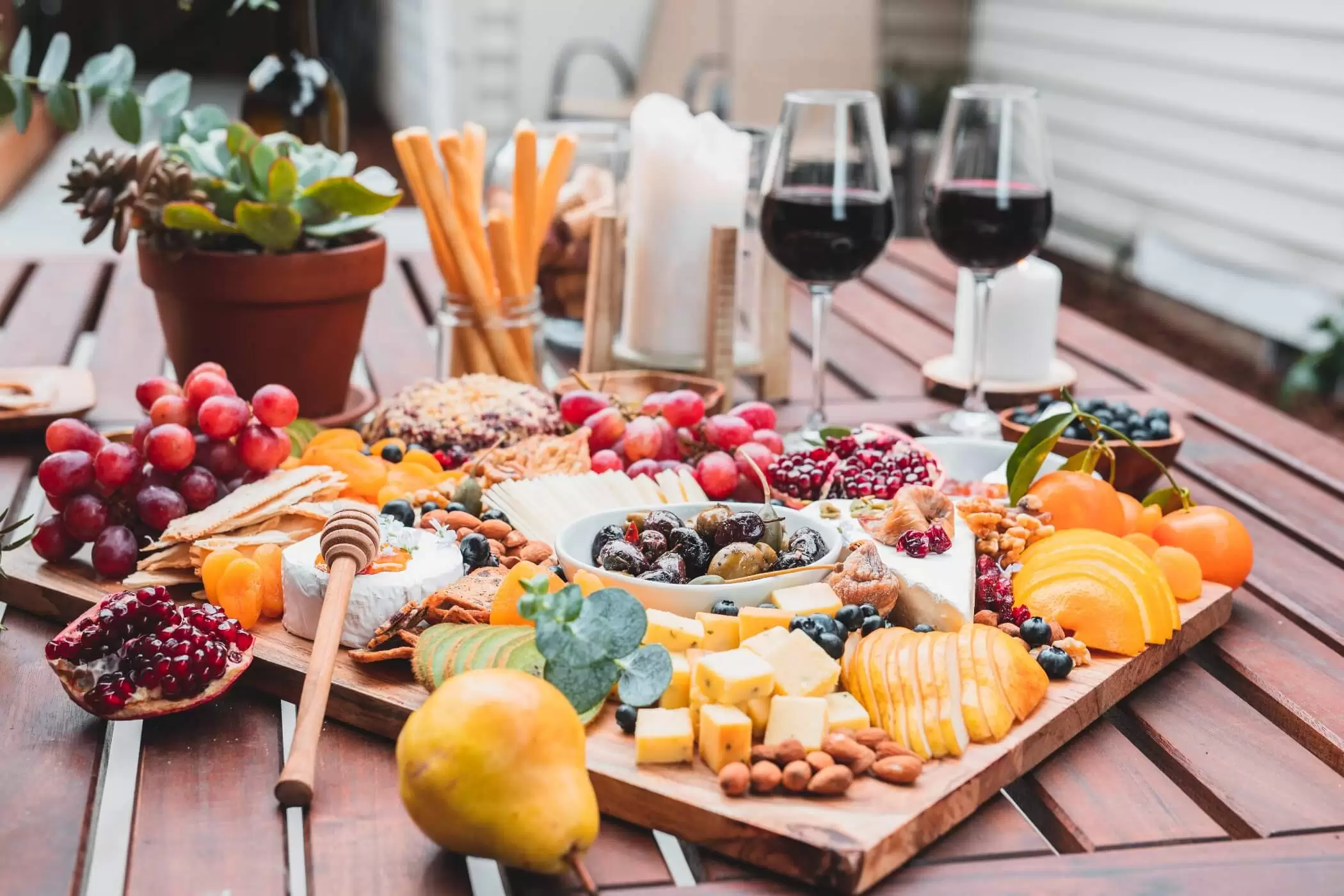
Should you choose to exclude meat and meat substitutes from your antipasto, your platter will need a new focus. One direction you could take this in is cheese. While a meat-heavy antipasto may just feature a few small wedges or slices of cheese, if you make the dairy product the main focus of your platter, you could include miniature wheels of cheese for your guests to help themselves to as they please. From soft mozzarella to hard Italian cheeses, try to include a variety of textures of cheese – just remember to double-check that they are vegetarian since hard Italian cheeses are usually, but not always, made with rennet.
Vegan Antipasto Platter
Since the main components of a traditional antipasto, i.e. meats and cheeses, are animal products and therefore not vegan, you may be concerned that a vegan antipasto would consist of a sad mix of rabbit food. Thankfully, this doesn’t have to be the case! Here are our favourite vegan antipasto platter ideas:
Meat And Cheese Substitutes
If you want to create a traditional antipasto platter that is vegan-friendly, you can absolutely do this by simply substituting meats and cheeses for vegan alternatives. As mentioned before, you can try your hand at making these yourself or buy them from your local supermarket or online. Take a look at Vegan Food And Living for 23 homemade vegan cheese recipes, ranging from simple tofu feta to a creamy baked vegan goat’s cheese.
Hummus
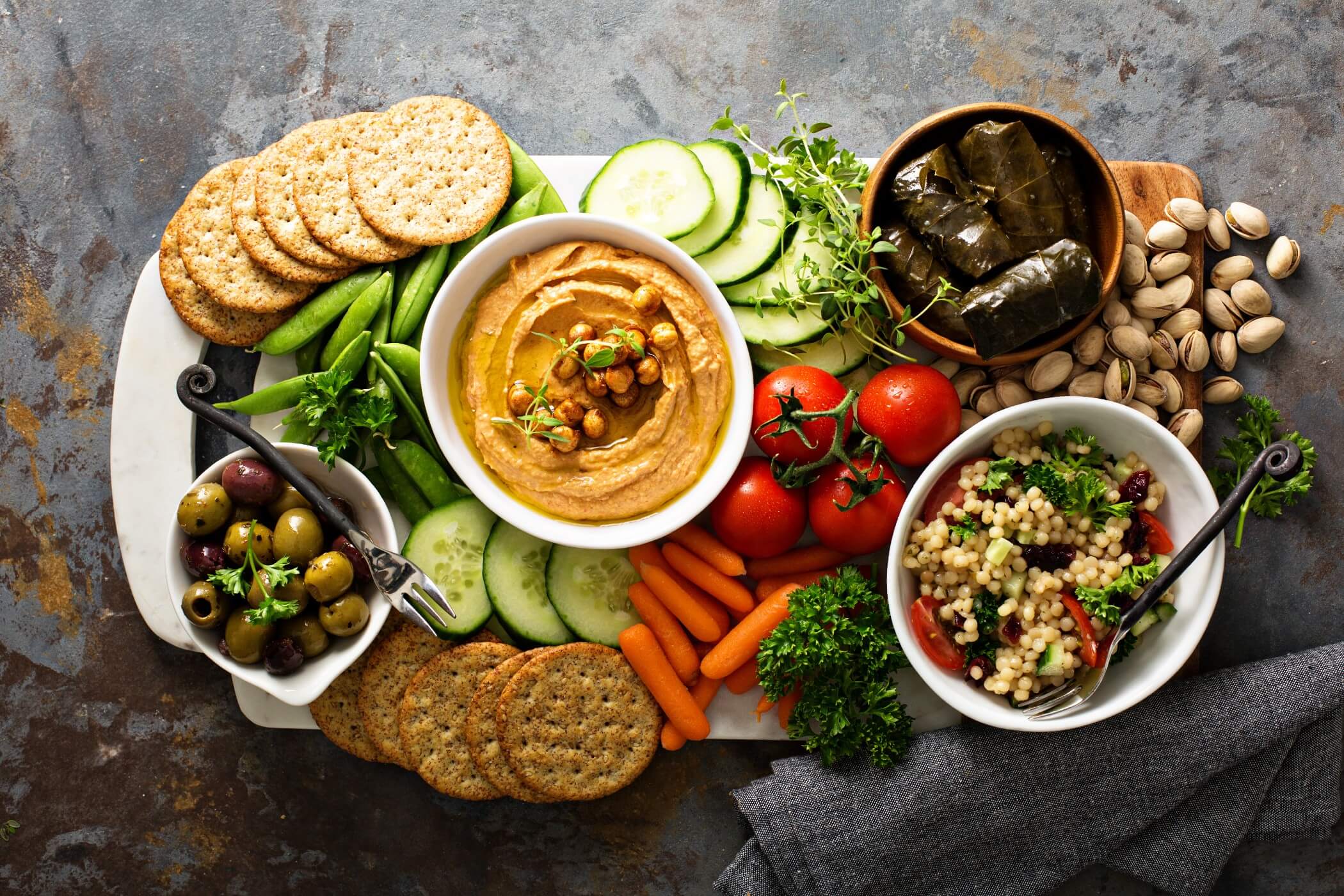
Although hummus is a Middle Eastern dip rather than an Italian one, it pairs beautifully with a variety of breads, olives and other fruits, all of which you may choose to include on your vegan antipasto platter. While traditional hummus, be it store-bought or homemade, is an excellent choice for your platter, you could also consider making one of the hummus recipes on Live Kindly, which include a tempting roasted garlic hummus, as well as a smoked paprika one.
Pickled Fruits And Vegetables
Pickled fruits and veggies have a strong, tangy flavour, making them the perfect thing to include in your vegan antipasto appetiser. Pickled onions will work beautifully, as will cucumbers, carrots, peppers, and, of course, olives. While sundried tomatoes aren’t technically pickled, they also have a deliciously rich and tangy flavour and will work beautifully with the other components of your antipasto platter. Not only this, but they will also add a gorgeous pop of colour to the dish!
Meat Antipasto Platter
An antipasto platter is a perfect thing to serve to any meat-loving guests that you host for a dinner party. Since antipasti are usually served cold, you will be able to prepare it in advance and simply serve it straight from the fridge once your guests arrive. This way, you will buy yourself plenty of time in the kitchen to prepare the main course while your guests enjoy your equally stunning and delicious concoction. Here are some ideas of what to put on a meat antipasto platter:
Cured Meats
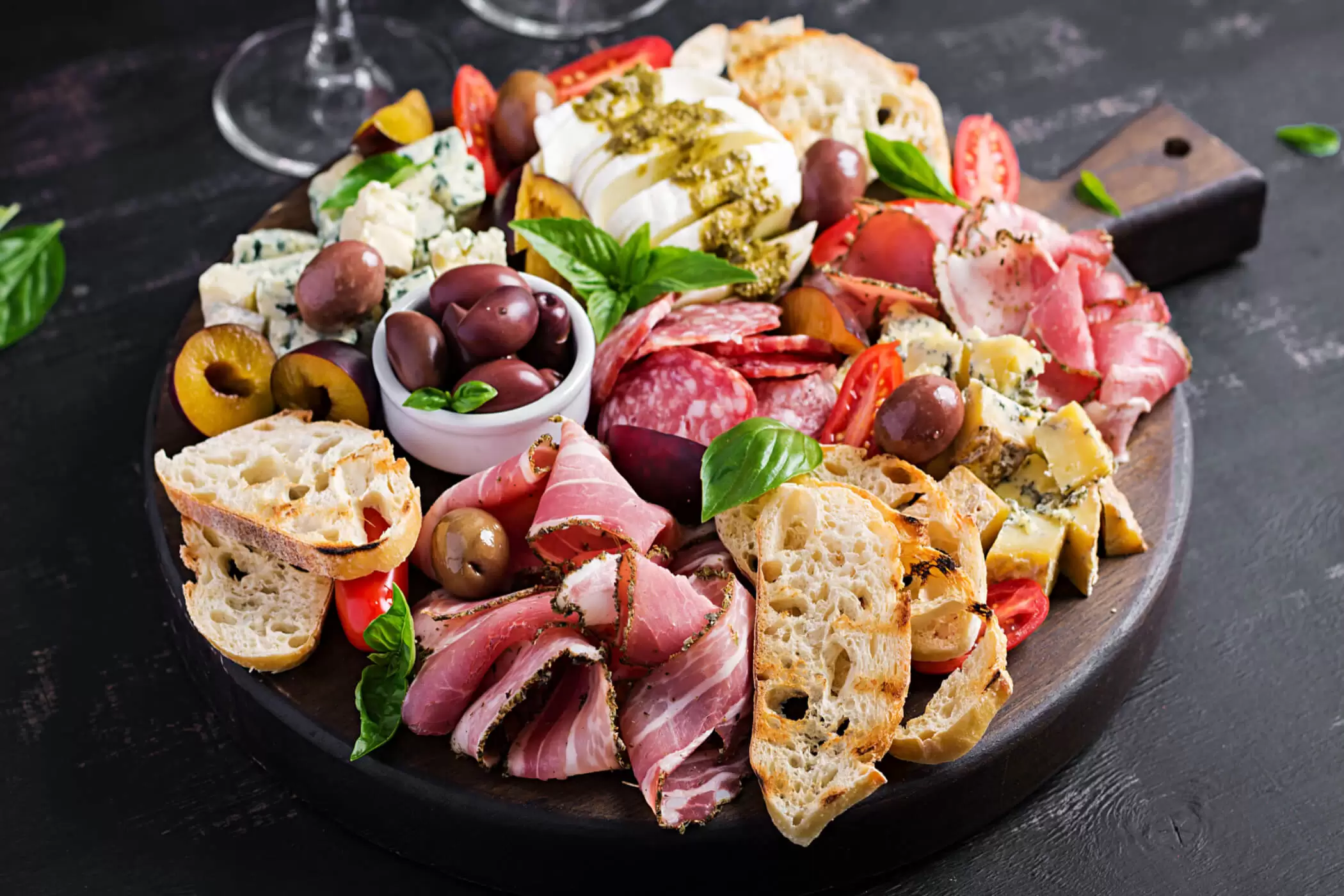
Cured meat refers to any meat that has been preserved through smoking, salting, brining, canning, ageing, or drying. These processes not only prevent the growth of bacteria on the meat over time, but some of them, such as salting, brining and smoking, add flavour to the meat. These strong flavours are perfect for an antipasto platter. Common cured meats include salami, chorizo, pepperoni, bacon, pancetta, and parma ham.
Typically, a meat antipasto platter will include three or four different types of cured meats, which will either be sliced thinly and artistically draped on the plate or cut into thicker rounds and neatly stacked, depending on the type. This way, the platter looks aesthetically pleasing and is easy to eat using fingers. The meats can also be easily paired with different cheeses, fruits, and breads, allowing for a large variety of different flavour combinations.
Meat Pairings
Should you choose meat as the focus of your antipasto platter, you will naturally need to think carefully about which meats will provide the best variety and combination of flavours, as well as produce an attractive-looking platter. However, you should not neglect to carefully consider which meat pairings to include. By this, we are referring to the cheeses, fruits and breads that make up the rest of the platter.
Your meat pairings can truly make or break your platter, so it is vital that you don’t just blindly and randomly select a few kinds of cheese to go with your cured meats. Instead, take a look at the handy guide to pairing meats and cheese over on Serious Eats. Similarly, Veroni offers some invaluable advice when it comes to selecting dried and fresh fruits to complement your cured meats. Finally, check out Vonhaus for guidance on bread that pairs well with different meats and cheeses. Whichever pairings you choose for your meats, don’t neglect to include olives, which arguably belong on any antipasto, thanks to their deliciously tangy, salty flavour!
Dips For Italian Antipasto Platter
Dips are a fantastic addition to any Italian Antipasto Platter, helping to tie together the different meats, breads and vegetables while adding extra flavour and texture. Whether you prefer creamy cheese-based dips or lighter oil-based options, there are plenty of ways to elevate your platter.
Creamy & Cheese-Based Dips
Creamy dips pair beautifully with crusty bread, focaccia and crunchy vegetables. Popular choices include whipped feta, whipped ricotta with herbs and honey, or a rich parmesan and roasted garlic dip. Creamy pecorino dips also work wonderfully, especially when paired with cured meats and olives.
Many dishes served at an authentic Italian Restaurant in Milton Keynes take inspiration from these rich Mediterranean flavours, balancing creamy textures with salty and savoury ingredients.
Olive & Vegetable-Based Spreads
Mediterranean-inspired spreads are ideal for adding depth and colour to your platter. Olive tapenade brings a salty, briny flavour, while roasted red pepper and sun-dried tomato dips add sweetness and richness. These spreads work especially well with focaccia and toasted ciabatta.
Oil-Based Dipping Options
Sometimes, simplicity is best. A good-quality olive oil with balsamic glaze or balsamic vinegar is a timeless pairing for breads and antipasti. Garlic-infused olive oil with herbs and chilli flakes is another delicious option that complements cheeses and cured meats perfectly.
Fish Antipasto Platter Ideas
While many people associate antipasto with cured meats and cheeses, seafood can also make an incredible addition to an Italian Antipasto Platter. Fish antipasti are particularly popular in Southern Italy and coastal regions, where fresh seafood is often served as a light appetiser before the main course.
A seafood antipasto platter may include smoked salmon, marinated king prawns, calamari, anchovies or sardines, alongside Mediterranean favourites such as olives, roasted peppers and artichokes. Lemon wedges, parsley and olive oil are often used to brighten the flavours and bring everything together.
One popular Southern Italian variation is Insalata di Mare, a seafood salad made with ingredients such as prawns, squid, mussels and scallops, lightly dressed with olive oil, lemon juice and fresh herbs.
To complete the platter, serve seafood antipasti with crusty bread, mozzarella balls, caperberries and fresh salad leaves for a fresh and balanced starter that feels both elegant and relaxed.
How To Arrange An Antipasto Platter
Arranging your antipasto platter nicely is the perfect way to make it look extra appetising! If you’re looking for ideas on how to do this in a way that looks good and provides the best eating experience, check out our tips on how to arrange an antipasto platter below:
- Use bowls – any messy, oily, or especially moist components of your platter can be placed into bowls to prevent it from becoming a soggy mess. Bowls should be placed on the platter first, and other components arranged around them.
- Put complementary foods together – make sure that your guests fully appreciate the flavours that your platter has to offer by placing complementary foods together, making it easier to pair them.
- Explore shape, size and colour – don’t be afraid to be adventurous when it comes to the shape, size and colour of your components. Varying these factors will add interest to your platter, so consider chopping some components up small and leaving others large or whole.
- Choose your serving board carefully – there’s no point in beautifully arranging your different antipasto components if the serving board you’re using looks cheap and tacky! We recommend serving your platter on an elegant artisanal chopping board.
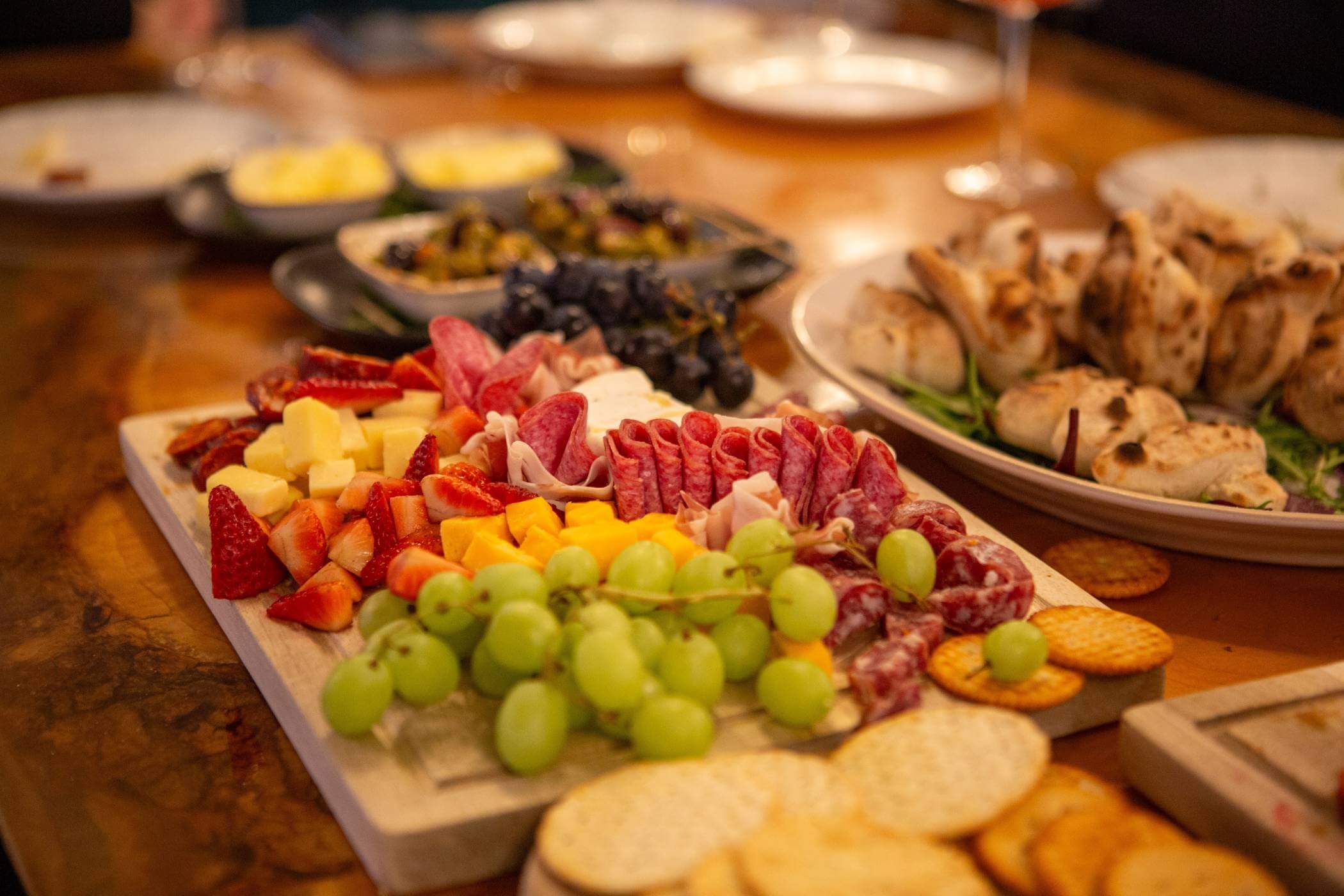
Italian Antipasto Platter vs Charcuterie Board
Although antipasto platters and charcuterie boards are often grouped together, there are a few key differences between the two. Both are designed for sharing and typically feature cured meats, cheeses and accompaniments, but their origins and overall focus are quite different.
An Italian antipasto platter is traditionally served before the main meal – the word antipasto literally translates to “before the meal”. These platters are known for their Mediterranean-inspired variety, combining cured meats with cheeses, olives, marinated vegetables, breads and sometimes even warm dishes such as bruschetta. The aim is to create a balanced selection of flavours and textures, from salty and smoky to creamy and tangy.
Charcuterie, on the other hand, has French origins and traditionally focuses specifically on prepared and cured meats. While modern charcuterie boards often include cheeses, fruits and crackers, the centrepiece is usually the meat itself, such as pâté, saucisson sec, salami or rillettes. Traditional charcuterie is also generally served cold and tends to be slightly more meat-heavy than an antipasto platter.
At our Italian Restaurant in Milton Keynes, we love sharing the traditions and flavours behind classic antipasto dishes, celebrating the sociable nature of Italian dining and the joy of sharing food around the table.
Antipasto Platter Highlights
A traditional antipasto platter often includes a colourful selection of ingredients such as:
- Prosciutto and salami
- Mozzarella balls and provolone cheese
- Roasted red peppers
- Artichoke hearts
- Olives and sun-dried tomatoes
- Fresh or toasted bread
The overall focus is variety – combining creamy cheeses, salty cured meats, tangy vegetables and soft breads to awaken the appetite before the main meal. At our Restaurant in Newport Pagnell, we enjoy sharing inspiration and ideas that help recreate this relaxed Italian dining experience at home.
Charcuterie Board Highlights
Charcuterie boards are typically more focused on showcasing cured and prepared meats. Common additions include:
- Prosciutto and salami
- Pâté or rillettes
- Saucisson sec
- Pickles and cornichons
- Mustards and chutneys
- Crusty baguette or crackers
These boards are usually served on wooden platters or boards, with the meats acting as the main attraction.
Making The Perfect Antipasto Platter
Can you picture anything more tempting than a fresh and flavourful antipasto platter shared before dinner on a warm evening? From cured meats and cheeses to seafood, dips and marinated vegetables, there are endless ways to create your own perfect Italian Antipasto Platter at home.
Hopefully, these ideas and serving tips have given you plenty of inspiration to experiment with different flavours, textures and combinations. At Murati’s, we’re passionate about sharing authentic Italian food culture and celebrating the traditional dishes that bring people together around the table.
Have Any Questions For Us?
Leave your details here to get in contact with our team.